

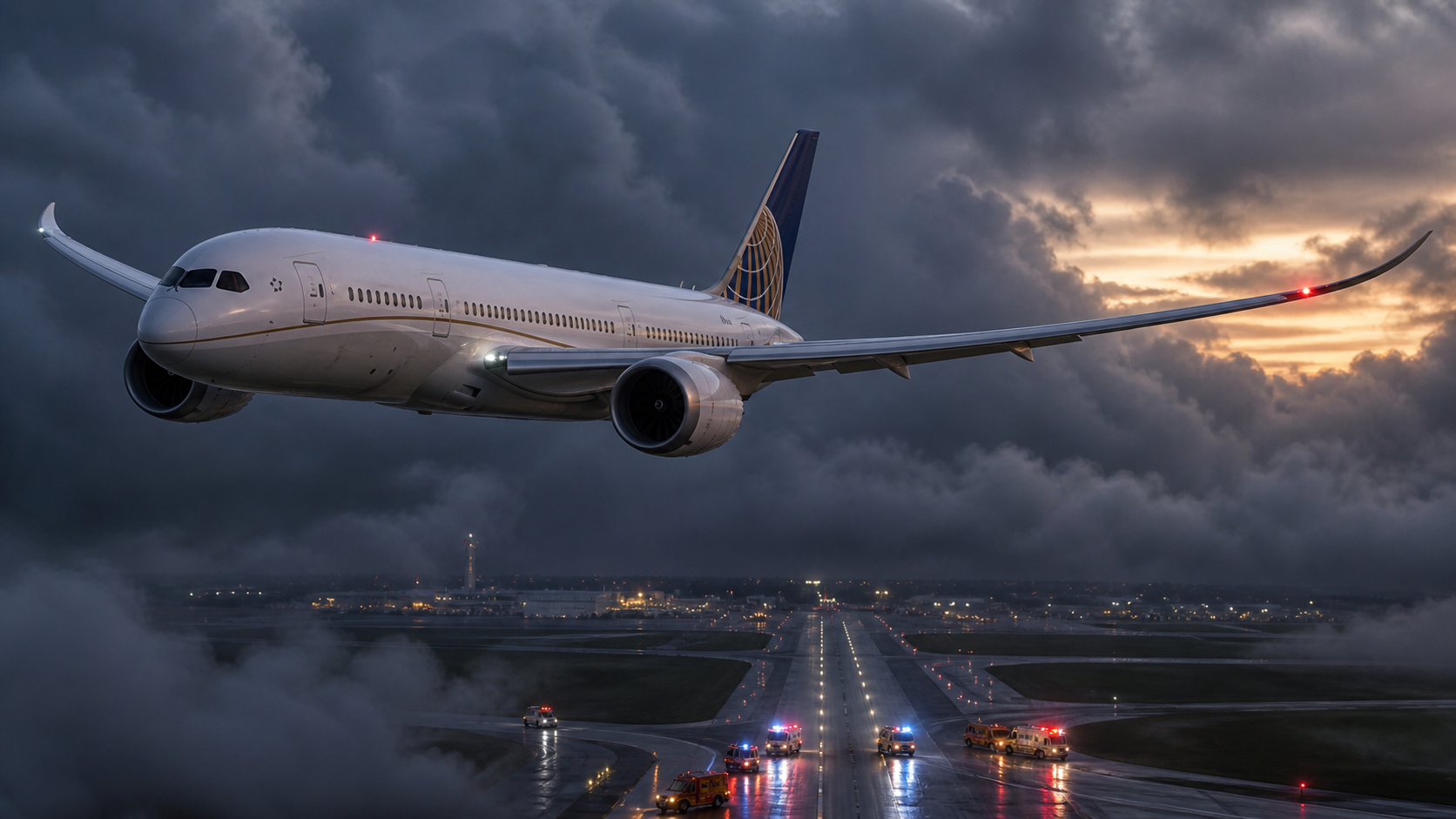
The story of the united airlines flight ua770 emergency diversion is both alarming and reassuring at the same time. While the phrase “emergency diversion” naturally creates fear and uncertainty among passengers, the reality of this incident reflects the strength of modern aviation systems and highly trained professionals who manage unexpected situations with precision and calmness.
This incident gained attention not because of tragedy, but because it demonstrated how quickly a routine international flight can turn into a high-alert situation. At the same time, it also showed how effective safety protocols can transform a potentially dangerous moment into a controlled and safe outcome for everyone on board.
Quick Bio
| Detail | Information |
|---|---|
| Flight Name | United Airlines Flight UA770 |
| Incident Type | Emergency Diversion |
| Aircraft | Boeing 787 Dreamliner |
| Main Cause | Technical Alert / System Warning |
| Outcome | Safe Landing |
| Passenger Safety | No Injuries Reported |
| Significance | Demonstrates Aviation Safety Protocols |
United Airlines Flight UA770 Emergency Diversion
The united airlines flight ua770 emergency diversion refers to an in-flight situation where the aircraft was forced to change its planned route due to a technical concern. This was not a random decision, but a carefully calculated move taken by the flight crew after evaluating system warnings and potential risks.
The aircraft involved was operating on a long-haul international route, where flights spend extended hours in the air. During such flights, even minor irregularities are treated with seriousness. The decision to divert was not a sign of failure, but rather a proactive safety measure designed to eliminate any uncertainty before it could escalate into a critical issue.
What Caused the Emergency Diversion
Technical Alerts and System Warnings
The most likely cause behind the united airlines flight ua770 emergency diversion was a technical alert detected by onboard systems. Modern aircraft like the Boeing 787 are equipped with advanced diagnostic tools that constantly monitor performance, pressure levels, electrical systems, and structural integrity.
These systems are designed to detect even the smallest irregularity, which means not every alert indicates immediate danger. However, aviation standards require pilots to treat every warning seriously. This approach may seem overly cautious, but it is exactly what keeps air travel extremely safe.
The Role of Pilot Judgment
Pilots are trained to make critical decisions under pressure, and the diversion of UA770 highlights this responsibility. When faced with a technical warning, the crew must assess multiple factors including aircraft condition, distance to the nearest airport, weather conditions, and passenger safety.
The decision to divert was made quickly and efficiently. While it may have caused temporary inconvenience and anxiety for passengers, it ensured that the flight landed safely without taking unnecessary risks.
How Emergency Diversion Works in Aviation
Immediate Response and Communication
When an emergency situation arises, the flight crew follows a strict protocol. The first step involves identifying the issue and confirming system readings. Once the situation is understood, the pilots communicate with air traffic control and declare an emergency if necessary.
For the united airlines flight ua770 emergency diversion, this communication would have triggered priority handling in the airspace. Air traffic controllers clear the path, allowing the aircraft to reach the diversion airport as quickly and safely as possible.
Cabin Crew and Passenger Safety
While pilots handle technical operations, the cabin crew plays an equally important role. During an emergency diversion, they are responsible for keeping passengers calm, delivering safety instructions, and preparing the cabin if needed.
Passengers on flights like UA770 may feel anxious due to sudden announcements or changes in direction. However, trained cabin crew members are skilled at managing such situations, ensuring that panic does not spread inside the cabin.
Passenger Experience During the Incident
The united airlines flight ua770 emergency diversion was undoubtedly a stressful experience for passengers. Being informed that the flight is diverting due to a technical issue can create fear, especially for those who are not familiar with aviation procedures.
However, many passengers later describe such situations as controlled rather than chaotic. Despite the initial shock, the smooth landing and calm handling by the crew often leave travelers with a sense of relief and appreciation for aviation safety standards.
Why Emergency Diversions Are Not Always Dangerous
One of the biggest misconceptions about incidents like the united airlines flight ua770 emergency diversion is that they indicate a near-crash situation. In reality, diversions are often precautionary actions taken long before a problem becomes dangerous.
Modern aircraft are built with multiple layers of safety systems and redundancies. This means that even if one system shows irregular behavior, backup systems are available to maintain safe operation. Diversions are simply an added layer of protection.
Aviation Safety Standards and Protocols
Advanced Aircraft Technology
Aircraft like the Boeing 787 used in flights such as UA770 are among the most advanced in the world. They include automated monitoring systems, real-time diagnostics, and intelligent alerts that help pilots make informed decisions.
These technologies are designed to minimize human error and provide continuous updates about the aircraft’s condition. This level of monitoring is a key reason why incidents rarely escalate into serious accidents.
Regulatory Oversight
Airlines operate under strict regulations set by aviation authorities. These rules ensure that every decision, including emergency diversions, follows standardized procedures focused on passenger safety.
The united airlines flight ua770 emergency diversion is a clear example of how these regulations work in real-time. Every action taken by the crew aligns with established safety protocols designed to prevent risk.
Impact on Airline Operations
An emergency diversion does not only affect passengers; it also has operational consequences for the airline. Flights may be delayed, schedules disrupted, and additional resources required to manage the situation on the ground.
Despite these challenges, airlines prioritize safety over operational efficiency. The decision to divert UA770 reflects a commitment to protecting lives, even if it results in financial or logistical inconvenience.
Lessons Learned from UA770 Incident
The united airlines flight ua770 emergency diversion offers important lessons for both travelers and aviation professionals. It highlights the importance of early detection systems and the value of decisive action in preventing escalation.
It also reinforces the idea that safety measures are not reactive but proactive. The aviation industry continuously evolves by learning from such incidents, improving systems, training, and response strategies.
Read More: When Should You Add a Drop in a Track – The Powerful Truth That Can Make or Break Your Music
Conclusion
The united airlines flight ua770 emergency diversion may sound like a frightening event, but it ultimately represents a success story in aviation safety. What began as a potentially concerning situation was handled with professionalism, precision, and care, ensuring that all passengers reached the ground safely.
This incident reminds us that while air travel involves complex systems and occasional uncertainties, the layers of safety built into modern aviation are incredibly strong. Behind every safe landing is a combination of technology, training, and quick decision-making that keeps millions of passengers protected every day.
FAQ
What is United Airlines Flight UA770 emergency diversion
The united airlines flight ua770 emergency diversion refers to an incident where the aircraft changed its route mid-flight due to a technical concern, ensuring passenger safety through a precautionary landing.
Was the UA770 incident dangerous
While the situation may have seemed serious, it was handled in a controlled manner. Emergency diversions are often precautionary and do not necessarily indicate immediate danger.
Why do pilots divert flights
Pilots divert flights to ensure safety when a technical issue, weather condition, or other concern arises. It is always better to land early than risk continuing with uncertainty.
Were passengers safe during the incident
Yes, passengers were safe throughout the united airlines flight ua770 emergency diversion, and the aircraft landed without any reported injuries.
Do emergency diversions happen often
Emergency diversions are relatively rare but not unusual. They are part of standard aviation safety procedures designed to handle unexpected situations effectively.